January 9, 2026
Discover how HIOP can help you recover after a failed drug test. Get structured support, develop coping skills, and rebuild your confidence today.
A failed drug test can turn your life upside down in a matter of moments. And it can jeopardize your job, legal standing, or even personal stability. Programs like High-Intensity Outpatient treatment or HIOP offer a structured way to respond when those consequences hit.
Rather than judgment or punishment, HIOP focuses on accountability, support, and practical recovery tools that help you regain control while continuing to work, care for your family, or meet legal obligations.
In this article, you’ll learn why failed drug tests happen, what options are available afterward, and how HIOP Portland can help you stabilize, move forward, and reduce the risk of facing the same situation again.
Data shows that 4.6% of U.S. workers failed a drug test, with positive results increasing in recent years across several substances. Understanding why drug tests come back positive can help you make sense of what happened and what steps you might take next.
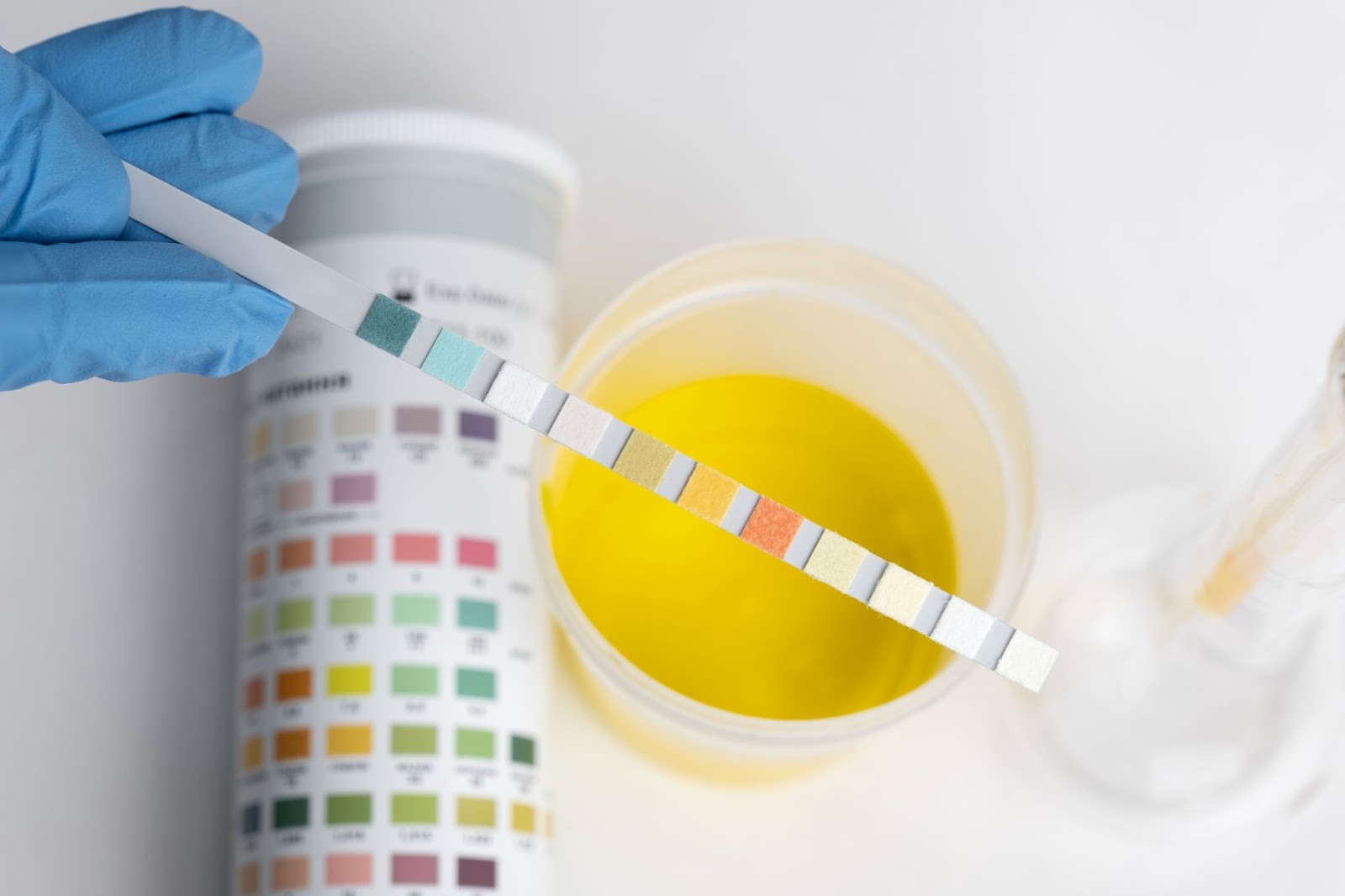
When you look at the many different factors that can lead to a failed drug test — whether it’s substance use, relapse, or misunderstandings around detection windows — the result can still land hard. A positive test often brings immediate consequences at work, including disciplinary action, required treatment, or termination. If testing is tied to probation or court supervision, the response can involve stricter conditions or legal penalties.
The effects usually extend beyond formal consequences.
A failed test can change conversations with employers or loved ones and affect how you view yourself. Confidence may drop, and it can feel harder to explain what happened. That’s why taking action early matters.
Getting support sooner helps you regain direction instead of staying stuck in damage control. When you work with professionals through addiction counseling Portland and other forms of intervention, you’ll have a way to address what led to the test result and move forward with clarity rather than shame.
After a failed drug test, deciding how to address substance use can feel overwhelming. You may wonder whether residential treatment is necessary or if you can manage recovery while maintaining your daily responsibilities. Outpatient treatment offers a structured approach that allows you to get professional support without stepping away from work, school, or family.
Outpatient programs are typically best for people who don’t require 24-hour medical supervision but still need guidance, accountability, and evidence-based therapy. These programs allow you to attend counseling, group sessions, or medical appointments while continuing your daily routines.
Through Portland outpatient treatment, you can access individualized plans, relapse-prevention strategies, and ongoing support in a flexible setting.
If standard outpatient programs haven’t provided the level of support you need, or you’re looking for something structured while staying engaged with work, school, or family, HIOP offers a high-intensity outpatient approach tailored to your life. It’s designed to provide guidance, accountability, and practical tools without requiring you to step away from daily responsibilities.
HIOP focuses on understanding you as a whole person and not just the drug test result or substance use history. Through careful assessments and individualized planning, the program identifies your triggers, patterns, and personal goals, creating a recovery roadmap that addresses immediate challenges while supporting long-term stability.
Here’s how HIOP supports you in practice:
Your care team evaluates your substance use history, stressors, and personal goals to craft a plan that fits your specific needs. This ensures your recovery addresses what matters most to you.
HIOP emphasizes support over shame. Professionals help you stay on track, build healthy routines, and develop strategies to prevent relapse, all while respecting your pace and circumstances.
Individual counseling, group sessions, and structured skill-building exercises help you manage cravings, cope with triggers, and handle daily stress. These methods are grounded in research and practical for real-life application.
Many people face mental health challenges alongside substance use. HIOP Oregon provides integrated care to address anxiety, depression, or other conditions, so recovery tackles the whole picture.
HIOP combines intensity with adaptability, letting you engage in focused treatment without pausing your life. You can maintain work, school, or family commitments while making meaningful progress toward recovery.
Working with HIOP can help you regain stability after a failed drug test by providing structured support, practical tools, and guidance tailored to your needs. The program focuses on rebuilding your life step by step while keeping you accountable in a supportive environment.
With these tools, HIOP helps you move forward confidently, regain trust, and establish routines that support long-term recovery.

Recovering from a failed drug test doesn’t have to feel impossible. Programs like HIOP offer structured support, practical tools, and guidance to help you regain control, address underlying challenges, and build sustainable recovery.
Looking for a reliable partner in recovery? Another Chance provides access to HIOP and other programs that aim to meet your needs. Reach out today!
.webp)
Reviewer
Jessica is the Director of Outreach and Admissions at Another Chance, where she develops and leads a client-centered, trauma-informed admissions team. A person in long-term recovery, she is passionate about connecting individuals with the support they need and creating meaningful change in the behavioral health system.


.svg)