February 6, 2026
Discover how long does weed stay in your system and learn factors that affect detection times. Get support from addiction treatment Portland programs.
Urine tests are the most common form of drug screening, and THC is one of the most frequently detected substances. How long weed stays detectable depends on a few key factors, and none of the popular "flush" methods actually work reliably. This article explains the real detection windows. It also addresses something most articles skip: if this question comes up for you regularly, it might be time to talk to someone. Another Chance offers outpatient treatment in Portland with same-day appointments and no waitlist.
If you're worried about a drug test, that concern might be pointing to something bigger. At Another Chance, we work with people at all stages, whether you're just starting to think about change or you've been trying on your own for a while. Reach out to our team today. Same-day appointments are available.
You’ve got a job interview coming up, a routine workplace screening, or maybe a court-ordered test on the calendar. And suddenly one question is front and center: How long does weed stay in your system?
Even if you only use cannabis occasionally, the uncertainty around urine drug tests can be stressful. You might feel fine, sober, and functional, yet still worry about what a test could show.
Urine tests are the most common type of drug screening because they’re affordable, easy to administer, and effective. What makes things tricky is that there’s no one-size-fits-all answer. How long weed stays in your system depends on several factors — and this article tackles just that.
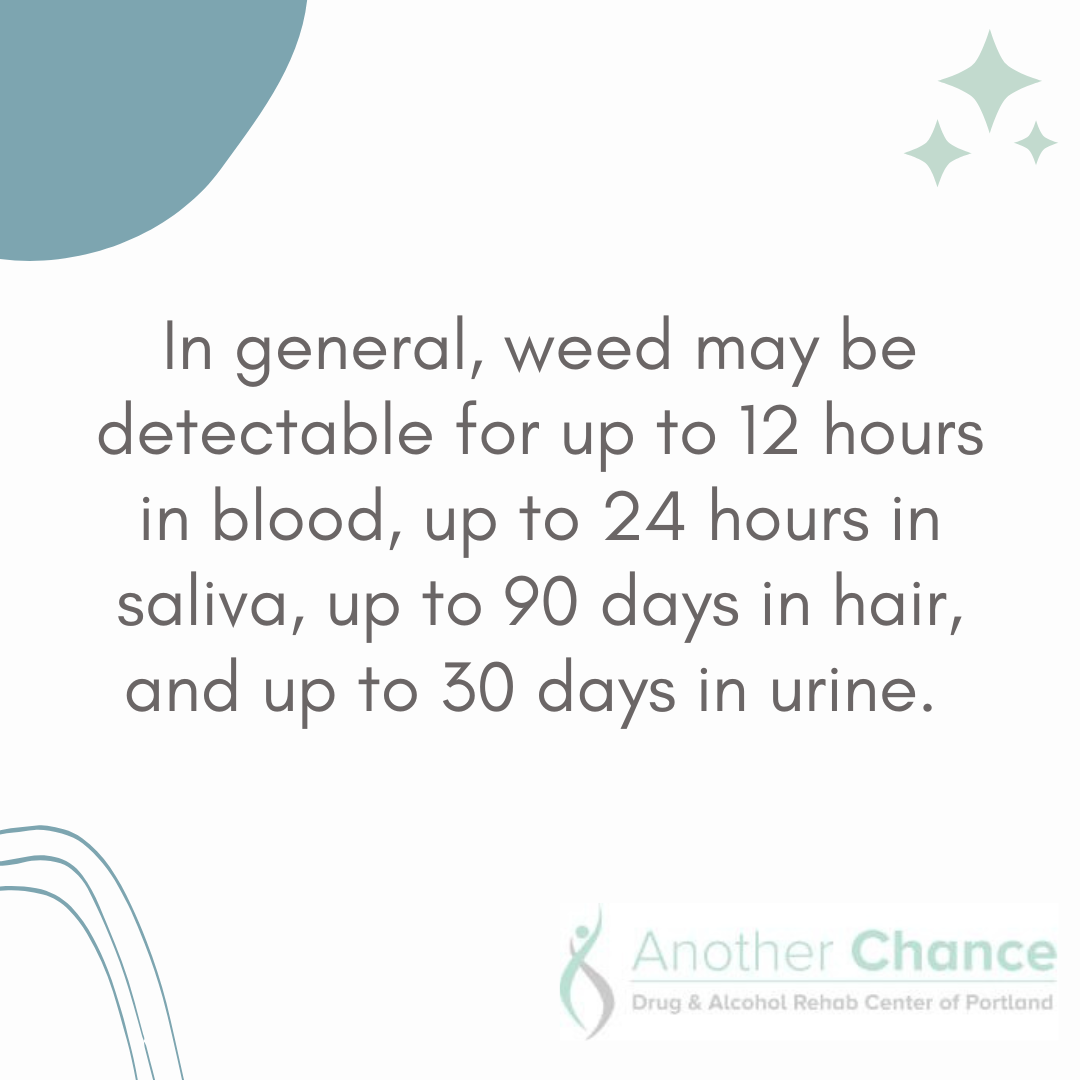
When you use marijuana, the substance that creates the “high” is THC, but urine drug tests aren’t actually looking for THC itself. Instead, they detect THC-COOH, a metabolite your body creates after it breaks THC down. Think of it like a footprint THC leaves behind after your body processes it.
Here’s why weed can stay detectable longer than you might expect.
THC is absorbed into different tissues and organs in your body, including the brain and — most importantly — fat cells. Your liver then metabolizes THC into compounds like THC-COOH. While a portion of cannabis leaves your body through feces and urine, a significant amount gets stored in body fat. Over time, that stored THC slowly releases back into your bloodstream, where it’s eventually processed and excreted.
As attested by addiction treatment Portland Oregon providers, this slow release is the reason chronic or frequent users can test positive days (or even weeks) after their last use. In people who use marijuana regularly, THC can build up in fatty tissues faster than the body can eliminate it.
Most urine drug tests use a standard cutoff level, typically 50 nanograms per milliliter (ng/mL). If your THC-COOH levels are above that threshold, the test comes back positive. Because everyone’s body processes and stores THC differently, that detection window can vary widely from person to person.
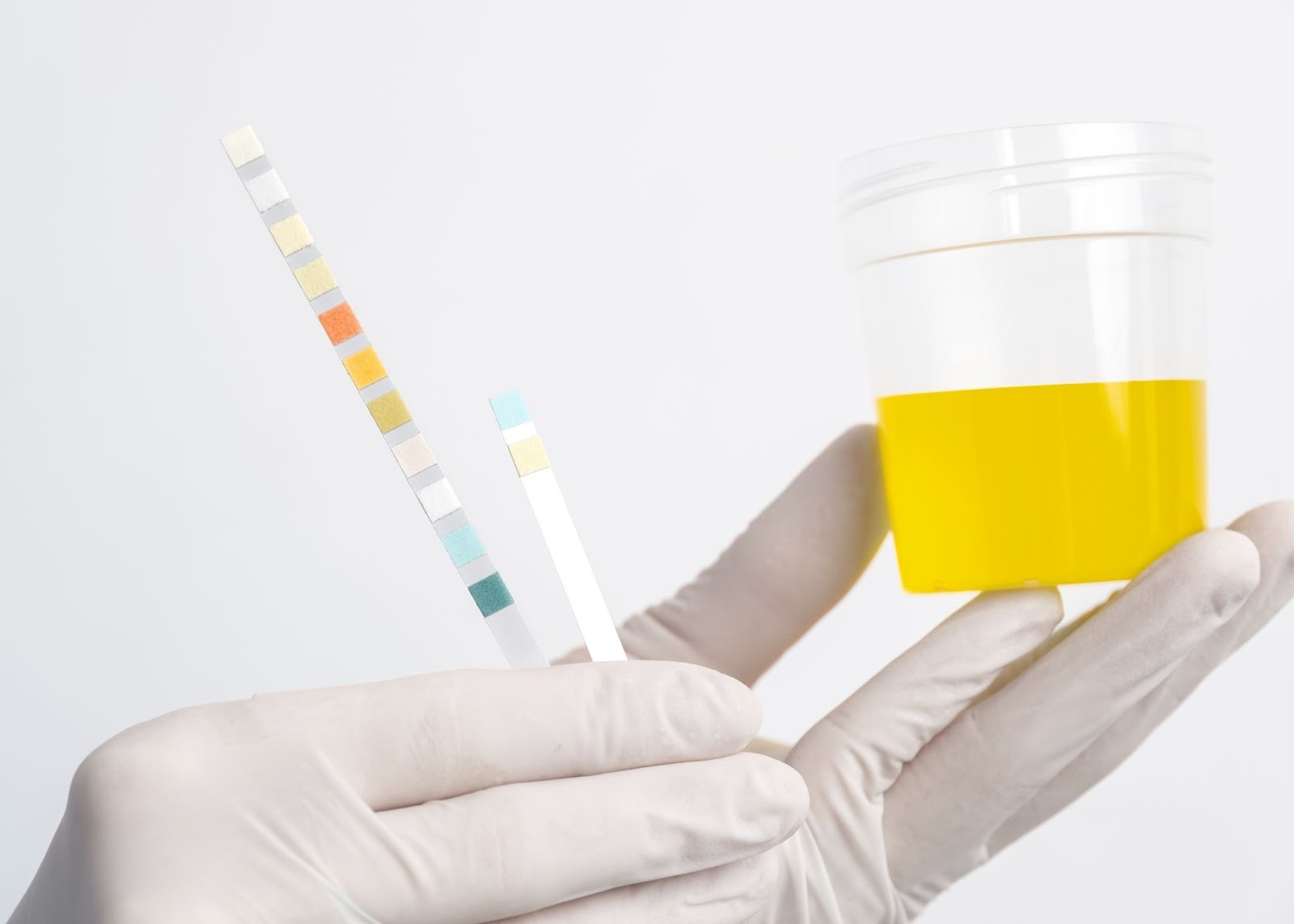
Detection times for weed vary depending on the type of drug test used. In general, weed may be detectable for up to 12 hours in blood, up to 24 hours in saliva, up to 90 days in hair, and up to 30 days in urine. Because urine testing has the longest and most variable detection window, it’s usually the method you’re most concerned about when asking how long does weed stay in your system.
If you use weed one to three times per week, traces of it are often detectable in your urine for about three to seven days. Since your use is infrequent, weed-related compounds have less time to build up in your body, allowing your system to clear them more efficiently.
If you use weed several times per week, it may remain detectable in your urine for roughly seven to fourteen days. With more frequent use, weed-related compounds begin to accumulate in your body, which can slow down how quickly they are eliminated.
If you use weed daily or near daily, it can stay detectable in your urine for fifteen to thirty days or longer. Frequent use causes weed-related compounds to build up in body fat, which is why detection times can extend for weeks after your last use.
The way you use weed can also affect detection time. Edibles are processed through your liver, which can lead to higher levels of weed-related compounds being stored in your body compared to smoking or vaping. Because of this, regular edible use may slightly extend how long weed remains detectable in your urine.
So, how long does weed stay in your system? The answer depends on several personal and lifestyle factors that influence how your body processes and stores weed-related compounds.
Now, you might be tempted to try detox drinks, excessive water, or supplements to speed up how long weed stays in your system, but these methods are largely myths.
While some products claim to “flush” your system in hours, there’s no reliable way to remove weed-related compounds quickly, and attempting to cheat a test can backfire or even cause health issues. The most effective method is simply to stop using weed and give your body time to metabolize and excrete the compounds naturally.
Beyond the timeline of detection, it’s also important to consider how your use may be affecting your life overall.
If you find that concerns about urine tests are starting to dominate your thoughts, it could be a sign that weed use is affecting more than just detection times. You might notice changes in your focus, work performance, relationships, or overall mood. Recognizing these patterns early is important, and you don’t have to manage them on your own.
Support options like Portland outpatient treatment programs or addiction counseling Portland providers can help you create a safe, structured plan to reduce or stop use, improve your well-being, and regain control over your life.
Outpatient addiction treatment in Portland can be a flexible, supportive option if you’re looking to address weed use or other substance concerns without disrupting your daily life. These programs provide therapy, counseling, and support while allowing you to continue living at home and maintaining your routine.
Outpatient drug and alcohol treatment is particularly well-suited for:
The emphasis in Portland outpatient treatment is on support and guidance; not punishment. These programs give you tools, strategies, and a supportive community to help you regain control over your substance use and attain long-term recovery.

Figuring out how long does weed stay in your system isn’t always straightforward, but having a sense of the ranges can help you make smarter choices and plan ahead. Everyone’s body is different, and detection times can vary depending on how often you use it, your metabolism, and other personal factors. Knowing this gives you clarity instead of leaving you guessing or stressing.
Have you ever felt like weed use is starting to affect your focus, relationships, or daily life? Keep in mind that it’s okay to reach out for support. Addiction treatment Portland programs, like what we offer at Another Chance, are designed to meet you where you are, offering counseling and outpatient care that fits your schedule and lifestyle. Contact our team today!
.webp)
Reviewer
Jessica is the Director of Outreach and Admissions at Another Chance, where she develops and leads a client-centered, trauma-informed admissions team. A person in long-term recovery, she is passionate about connecting individuals with the support they need and creating meaningful change in the behavioral health system.



.svg)